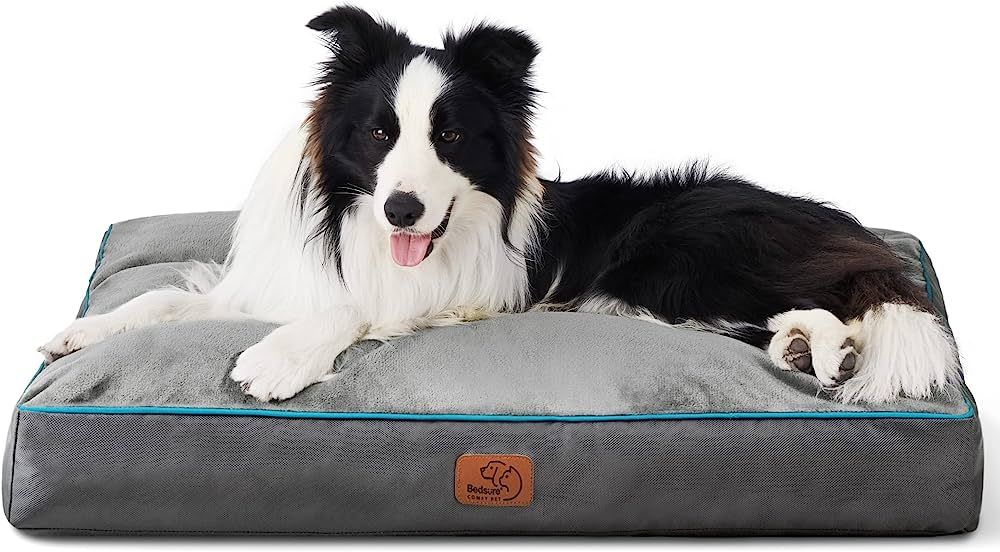

Dogs can do amazing things beyond the usual sit and stay commands. They can snuggle close when you feel sad and even lick your face when tears fall. They stay by your side during tough times. These loyal friends can sometimes be emotional support dogs. They help people cope with mental health challenges every day. Unlike service dogs, they don’t even need special training for tasks. Their main job is just being there and being a friend to whoever is in need.
Finding the right emotional support dog depends on your life. Your home size as well as your daily schedule plays a part too. Your energy level also counts a lot. And most importantly, your emotional needs guide the choice. The right dog can bring comfort. But the wrong match might add stress instead of taking it away.
What makes a great emotional support dog?
Great emotional support dogs usually have calm personalities. They enjoy human contact and don’t freak out over small changes. They settle down easily. Steady dogs handle everyday noises better. They also deal with new places and faces without much drama. This steadiness helps people with anxiety, depression, or other emotional struggles.
Good emotional support dogs can also learn basic commands easily. They don’t need any service dog skills. But they should walk nicely on a leash and also need to sit when asked. They must behave around strangers. A dog with good manners can also make life easier. Easy walks can also reduce stress. And when a dog relaxes it can help you relax too.
Your lifestyle should match your dog’s needs. An active dog can fit you well if you enjoy outdoor time. You get a partner that nudges you to move on low days. If you prefer quiet evenings, a calmer dog often works better. Size matters too. Large dogs can give deep pressure that many people find soothing. Smaller dogs are easier to travel with and cost less to feed. They also tend to fit better in apartments.

Best emotional support dogs by temperament and lifestyle
Here are a few breeds that often work well as emotional support dogs. Each dog is still an individual. But these breeds often share traits that support comfort, routine, and companionship.
Labrador Retriever
Labs bring a bright energy into a home. They bond closely with you. They can also stay near without demanding attention every minute. Labs usually need daily exercise. But after that, they usually settle down without fuss. Their upbeat nature can help on hard days. Many people feel lighter just watching a Lab’s tail wag.
Golden Retriever
This dog breed reads human emotions better than most dogs. They sense when you need that extra love. They offer gentle affection without pushing boundaries. They are also known to follow routines well and can handle changes at home with grace. Their soft eyes and warm hearts make sad days brighter.
Cavalier King Charles Spaniel
Cavaliers normally shine for smaller homes . These little dogs pack huge love into compact bodies. They live to cuddle but at the same time can also adapt to quiet lifestyles. They’ll happily sit beside you during work calls or movie nights. Their soft coats invite petting, which can help reduce stress hormones.
Poodle
Poodles come in three sizes: toy, miniature, and standard. All sizes share smart brains and kind hearts. They learn house rules fast and are also known to shed very little. People with allergies often tolerate poodles better than other breeds. Their elegant looks boost mood too. After all, who doesn’t smile at a poodle’s bouncy step?
Bichon Frise
Bichons can bring sunshine into dark days. These fluffy white dogs stay upbeat even when times get tough. They want to be where you are. They don’t need huge yards to stay happy. Their cotton-ball appearance makes them look like stuffed animals come to life.
Cocker Spaniel
Cocker Spaniels have gentle souls. They tend to notice your moods. They try to comfort you when you’re down. They also stay calm with steady training. Their silky ears and soulful eyes invite long petting sessions. This touching helps both humans and dogs feel connected.
Mixed-breed dogs
Some amazing emotional support dogs have mixed family trees. Shelter dogs often show deep gratitude toward their adopters. Adult shelter dogs also show their true personalities right away. You don’t have to wait to see how a puppy might turn out. Many mixed breeds have fewer health problems too.
Choosing the right dog matters more than the breed
Look at your real life before picking a dog. Can you handle puppy training? Puppies need tons of patience. They wake up at night. They have accidents. They chew things. If you struggle with mental health, an adult dog might work better. Grown dogs usually know basic manners already.
Health needs and grooming also affect your choice. Some breeds need haircuts every few weeks. Some types get sick more often than others. And for this reason the vet bills can add up fast. Emotional support dogs should ease your burdens. They shouldn’t create money stress or care worries.
Free emotional support dog letter
Many websites promise free emotional support animal letters. Be careful. Most of these offers don’t hold up when needed. A real ESA letter needs to come from a mental health pro who treats you. It must state you have a mental health condition. It should explain how a dog helps you manage symptoms.
Quick online letters usually get rejected by landlords. They also don’t work for flying with your pet anymore. Airlines changed their rules in 2021. Now most need special Department of Transportation forms.
Instead of hunting for free letters, look for affordable mental health care. Community clinics offer sliding scale fees. Online therapy costs less than in-person sessions. Your goal isn’t just getting papers. It’s getting actual help for your mental health. The letter comes as part of real treatment.
How to register my dog as emotional support
The truth is that no official “registry” for emotional support animals exists. Those online registries that charge fees? They sell papers with zero legal power. So don’t waste money there.
The real process works like this:
First, see a licensed mental health provider about your mental health. If they agree an ESA would help, they write a letter. Next, show that letter to your landlord when asking for pet permission. That’s it. No special ID cards needed nor vests required. Because there is no national database that exists.
Also remember your responsibilities. Your dog must behave well. It needs to stay clean. It shouldn’t bother neighbors or damage property. Good manners matter for emotional support dogs. Train basic commands and reward calm behavior. Practice proper dog etiquette in all settings.